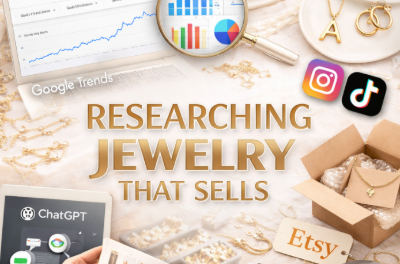
Researching jewelry that sells requires combining creativity with data. Tools like Google Trends reveal what customers are searching, while AI tools such as ChatGPT quickly analyze trends across multiple sources. Marketplaces like Etsy show what is actually selling, and competitor research plus customer reviews explain why. Insights from suppliers and wholesalers add a broader industry perspective based on real reorder data. By connecting these signals, designers and retailers can spot trends early, make informed decisions, and create or stock products that meet current demand.
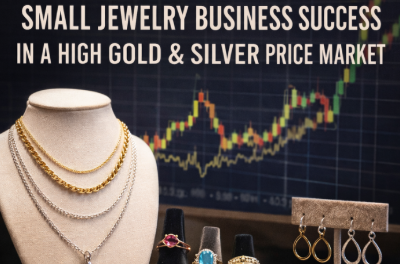
High gold and silver prices challenge small jewelry businesses, but demand for jewelry rarely disappears—it shifts. Customers often choose lighter designs, smaller pieces, or alternative materials to stay within budget. Products that rely heavily on metal weight, such as plain chains or heavy pieces, are usually the most affected, while design-driven and meaningful jewelry tends to remain resilient.
To adapt, designers can focus on craftsmanship, unique design, and customer experiences such as permanent jewelry or customization. Using materials like gold-filled, sterling silver, and oxidized silver, along with sourcing wholesale chains and findings, helps control costs while maintaining quality. Businesses that emphasize creativity and value beyond metal weight can continue to grow despite high precious metal prices.